

Beyond Pinterest: How to Build an Original Clothing Brand

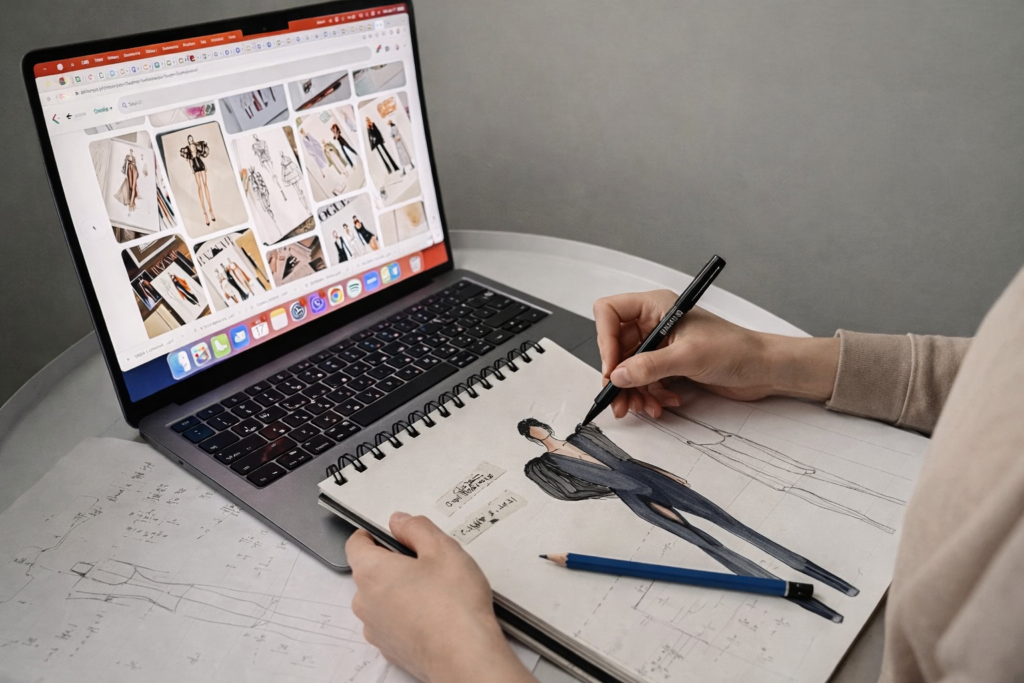
Pinterest is great for mood boards until it becomes your design brief. If you’re launching a clothing brand, leaning on Pinterest alone turns inspiration into imitation. That’s where originality dies, inventory piles up, and customers scroll past another clone.
Why Pinterest design risks are real
- Trend-chasing is temporary. Trends can feel tempting in the moment, but they fade quicker than you expect. Designing only around what’s popular right now means your pieces lose relevance just as fast. Before you know it, you’re left clearing inventory instead of celebrating sales. Brands that last focus on timeless value, not temporary hype.
- You dilute your uniqueness. Using the same pins as competitors creates a sea of sameness, your brand vanishes in it. When everyone pulls ideas from the same Pinterest boards, the results start looking identical, same fits, same colors, same graphics. Slowly, your brand blends into the crowd instead of standing out. And if customers can’t instantly recognise you, they won’t remember you either. Being original isn’t a bonus anymore, it’s the only way to stay relevant.
- Algorithms create an echo chamber. Pinterest keeps serving similar content, so your “inspiration” becomes repetitive templates, not fresh ideas. So instead of fresh thinking, you keep getting slight variations of the same aesthetic. It feels like inspiration, but it’s really just repetition on loop. True ideas come from real life, culture, and observation, not endless scrolling.
- Customers buy stories, not copies. People connect with meaning. A copied look never creates loyalty. Customers don’t just buy outfits, they buy into what a brand represents. Designs without intention may look good, but they don’t spark emotion or attachment. And without emotional connection, there’s no reason to stay loyal. Stories create communities. Look-alike products just get forgotten.
How to build a fashion brand that lasts
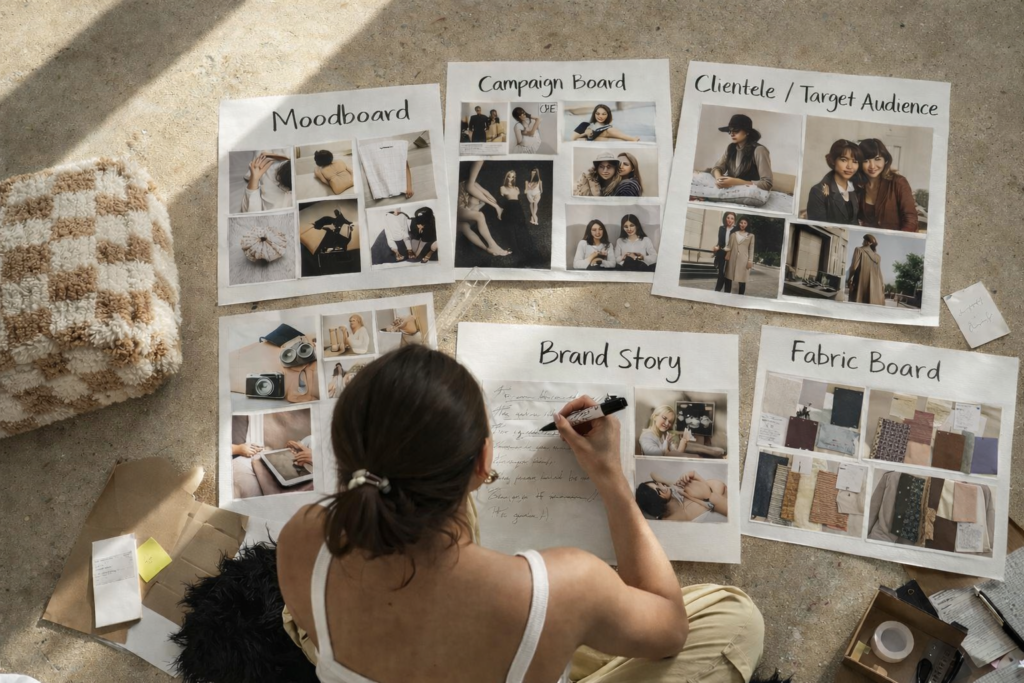
Original clothing brand design doesn’t come from endless scrolling. It comes from a clear brand story and decisions that reflect that story.
- Define purpose first. Before designing anything, get clear on why your brand exists and who it’s for. Write one simple mission that defines the people you serve and the change you want to create for them. This clarity becomes your compass, guiding everything from fabrics and fits to tags and packaging. When the purpose is strong, decisions become easier and more consistent.
- Know your audience. Who will wear your pieces? What values and emotions do they want to feel? Design to meet those needs. Design isn’t about what you like, it’s about what your customer connects with. Think about their lifestyle, habits, emotions, and what they want to express through clothing. When you design around their world, your pieces feel personal, not random.
- Create a visual language. Every strong brand has a recognisable look that people can spot instantly. Choose a small set of design signatures, maybe a colour story, a certain silhouette, or a recurring detail. Repeat these elements across collections to create familiarity and recall. Consistency is what turns clothes into a brand language.
- Prototype with intent. Use references to spark ideas, but develop them through your own sketches and samples.
Experiment, tweak, test fits, and refine until the piece truly reflects your brand. The goal isn’t to recreate something you saw, it’s to evolve it into something uniquely yours. - Tell the collection’s story. A drop shouldn’t just be a group of products, it should feel like a chapter. Tie your pieces to a mood, memory, culture, or emotion that people can relate to. When customers understand the “why” behind a collection, they connect more deeply. Stories make products memorable and memorable brands get chosen again and again.
Practical steps to escape the Pinterest trap
- Diversify inspiration. Don’t limit your creativity to apps and mood boards. Step outside and observe real life, street style, markets, art galleries, fabrics, people, and culture. Textures you can touch and stories you can experience spark far better ideas than recycled online content. The real world gives you originality that algorithms simply can’t.
- Limit saved pins. If you use Pinterest, keep a tiny, clearly labeled board for mood only. Always ask: “Does this fit our mission?” If you do browse, treat it as a small mood reference, not your design blueprint. Keep your boards minimal and intentional, and constantly ask if an idea truly aligns with your brand’s direction. If it doesn’t fit your purpose, skip it.
- Customise, don’t copy. If you like a silhouette, remix it with different fabric, unique print, signature stitch. Make the change only you can claim. Seeing something you like is normal, copying it exactly is not. Your goal is to transform inspiration into something unmistakably yours. That’s where true design happens.
- Document decisions. Strong brands don’t design randomly, they follow a system. Create a simple brand guide with your mission, tone, colours, fits, and design rules. This keeps your team aligned and prevents you from second-guessing or chasing trends later. When your foundation is documented, your identity stays consistent.
Why Nodot Studios?
Starting a clothing brand is exciting but it’s easy to get lost copying what already exists. That’s where we come in. At Nodot Studios, we don’t chase trends or recreate Pinterest boards. We help you discover your brand’s voice, story, and purpose first then design collections that actually mean something. From concept development and design to visuals, shoots, and full brand identity, everything is built around you. No templates. No replicas. Just original, story-driven fashion that stands out naturally.
Because great brands aren’t copied, they’re crafted. And we craft yours from scratch.
